

Saint of the Day
Feast of The Exaltation of the Holy Cross
14 September 2026 · uCatholic
The Feast of the Exaltation of the Cross celebrates Christ's sacrifice and victory over sin.
Saint John Chrysostom
13 September 2026 · uCatholic
Saint John Chrysostom (347–407 AD): Eloquent Archbishop of Constantinople, exiled after conflicts with Empress Eudoxia, known as "golden-mouthed."
Most Holy Name of Mary
12 September 2026 · uCatholic
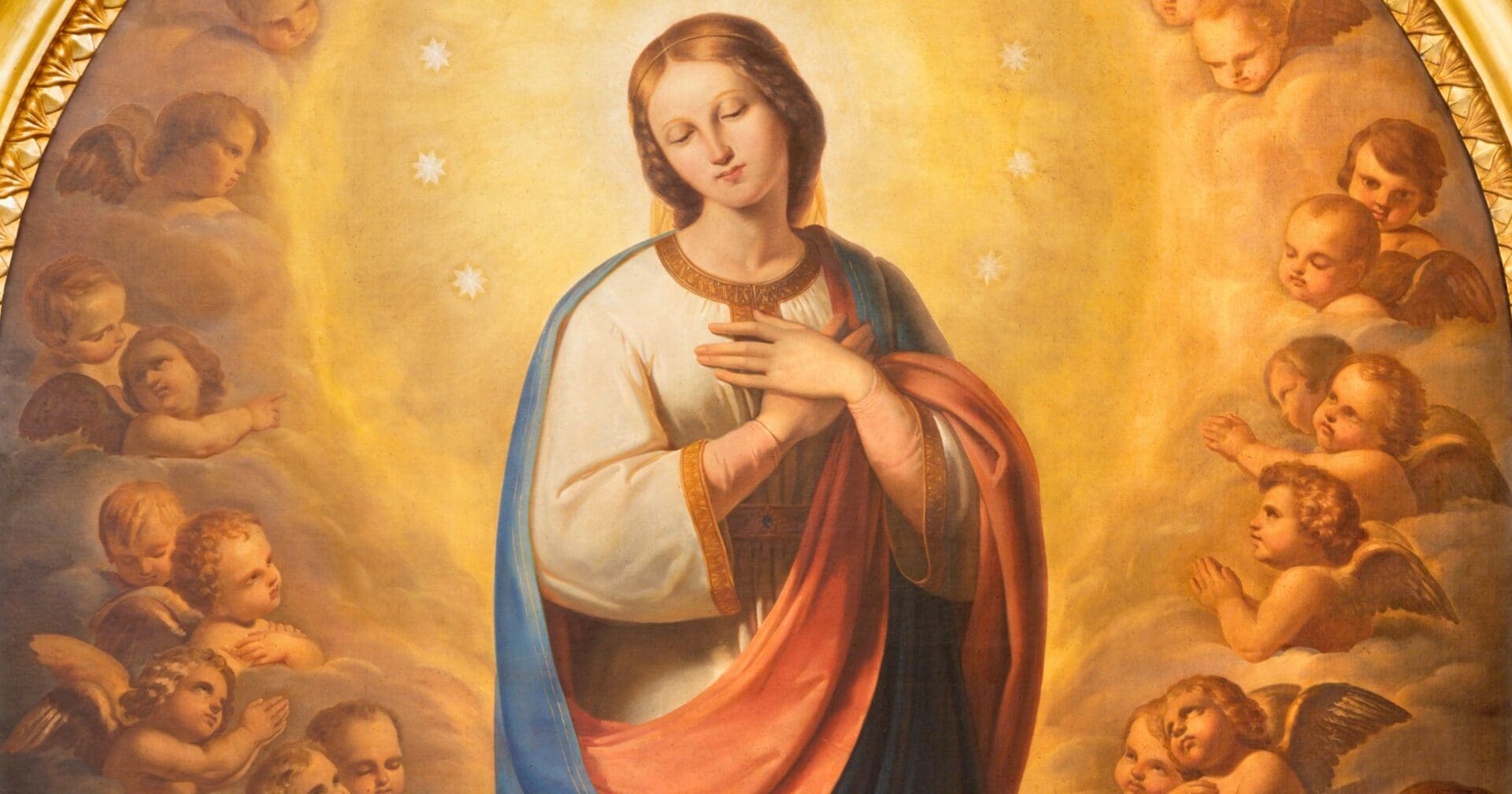
Following Jewish custom, Mary’s parents named her eight days after her birth. That is why this feast comes after her birthday, as the Holy Name of Jesus comes after Christmas.
The feast began in Spain and was recognised by the Holy See in 1513. In 1683 Innocent XI extended it to the whole Church after King John Sobieski of Poland defeated the Turks at Vienna on 12 September 1683.
Christian writers have given many meanings to her name, among them Lady, Light Giver, and Star of the Sea. In Hebrew, Miryam means lady or sovereign. When we call her our Lady, as we call Jesus our Lord, we ask her help and place ourselves under her care.
Saint Paphnutius
11 September 2026 · uCatholic
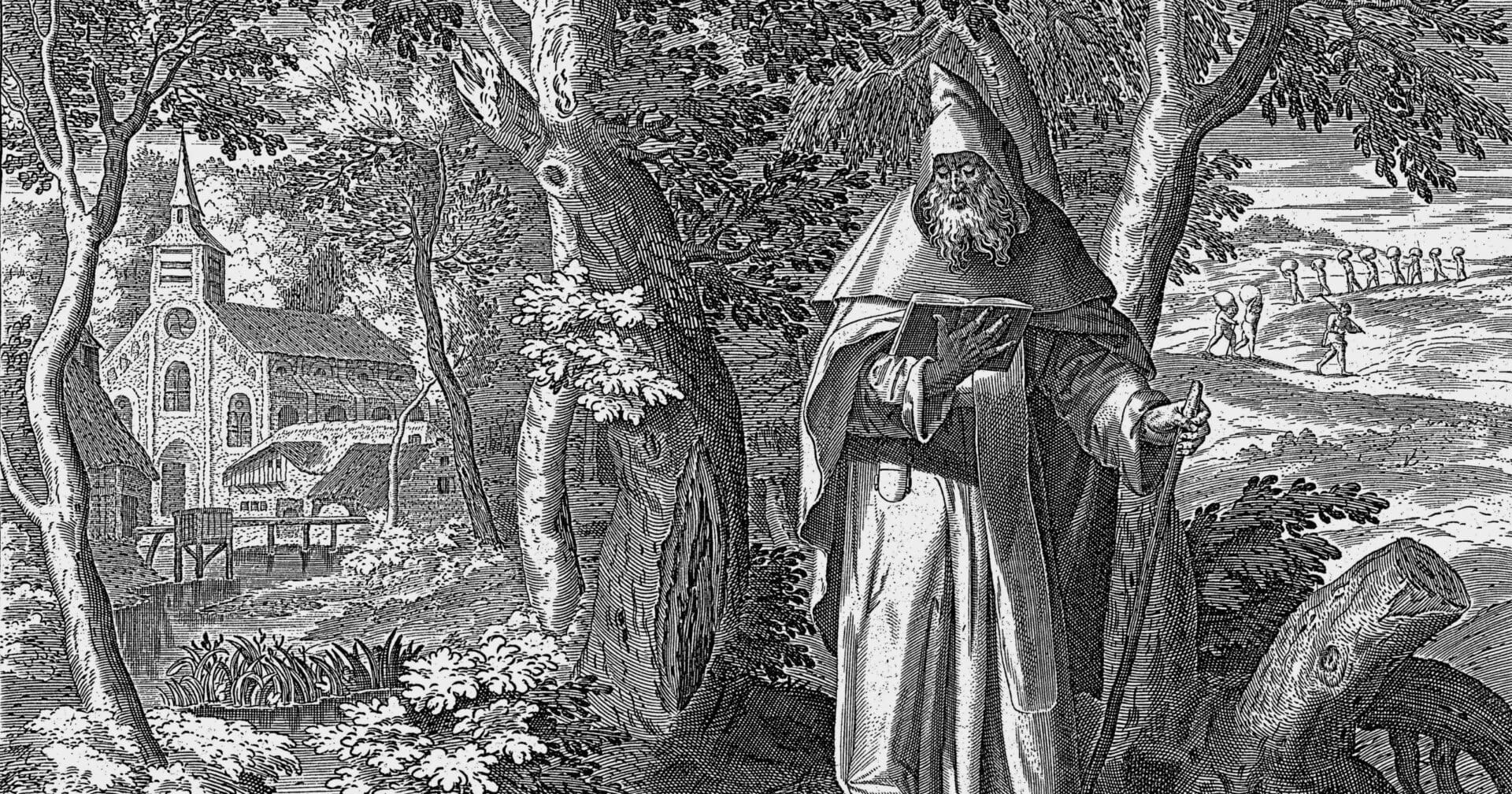
An Egyptian ascetic, formed by St Antony in the desert, later bishop of Upper Thebaid. Under Emperor Maximinus he lost his right eye, was hamstrung in one leg, and was sent to the mines. His faith held.
When peace returned he went back to his people. At the Council of Nicaea in 325 he was honoured as a confessor and stood against Arian teaching. Though he lived as a celibate, he argued that the old rule should stand: men already married before ordination may remain with their wives. That custom is still kept in the Eastern Churches.
Sometimes called Paphnutius the Great. The day of his death is not known. His feast is 11 September.
Saint Nicholas of Tolentino
10 September 2026 · uCatholic
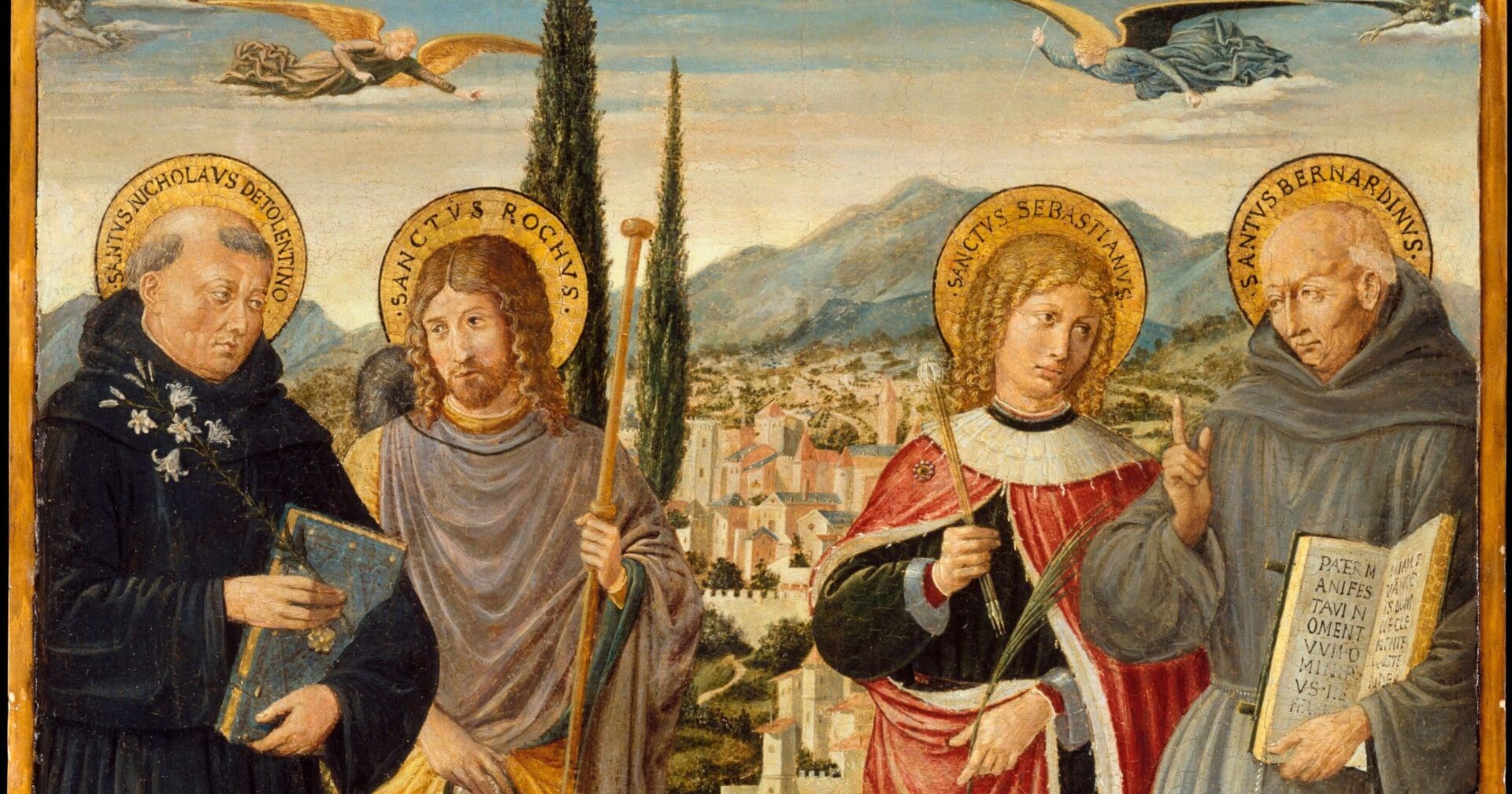
Born in 1245 in Ancona after his parents had long prayed for a child at the shrine of St Nicholas of Bari. They named him after that saint. He joined the Augustinian Friars after hearing Father Reginald preach, took vows at eighteen, and was ordained about 1270.
Prayer led him to Tolentino, where he spent thirty years. The town was torn by politics and many had left the Church. He preached in the streets, visited the sick and prisoners, and cared for the poor. Healings were told of him, including a sick child restored after prayer.
He died on 10 September 1305 after a year of illness, and was canonised in 1446 by Pope Eugene IV.
Saint Peter Claver
9 September 2026 · uCatholic
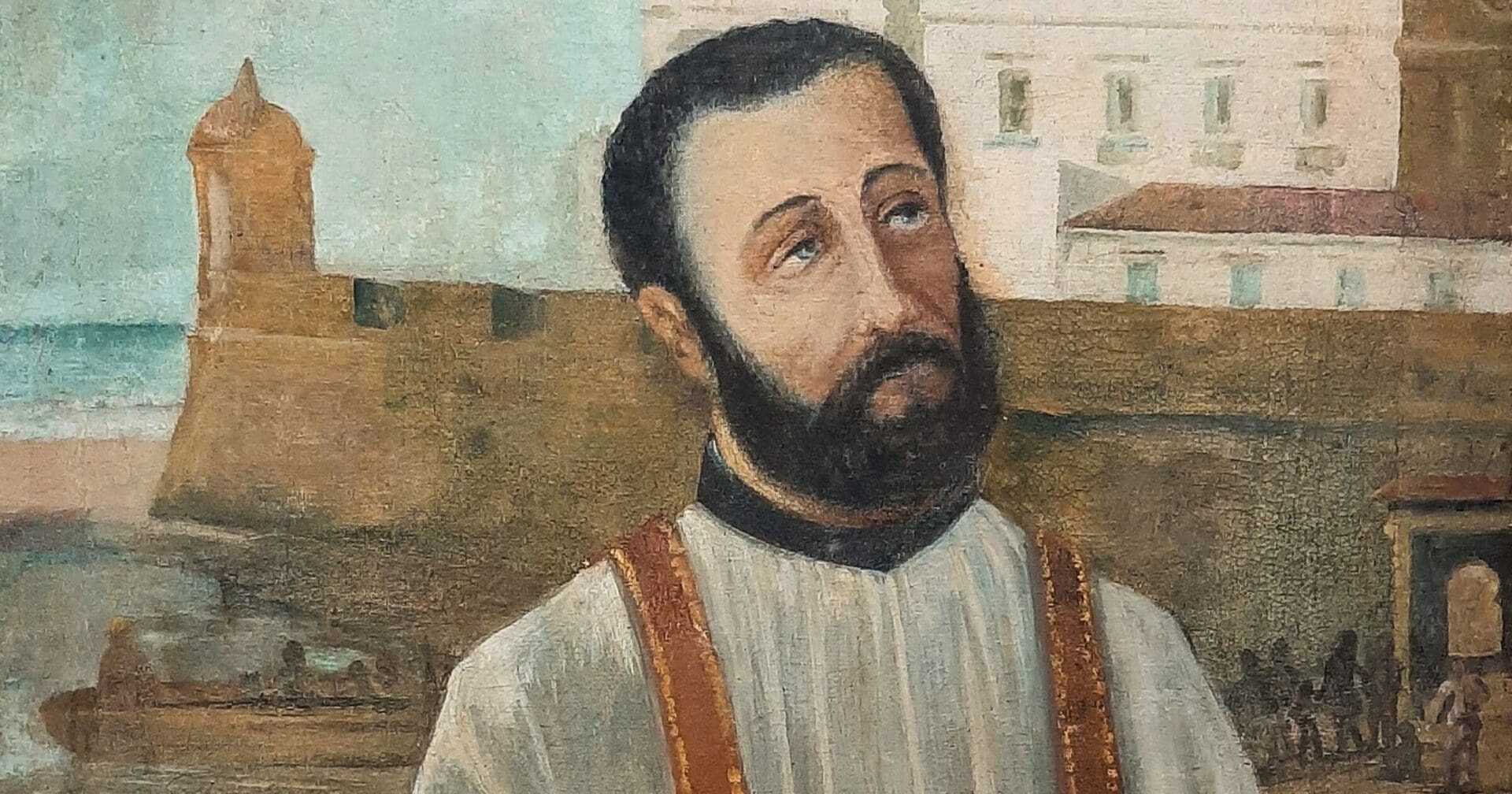
A Spanish Jesuit who sailed to the New World in 1610 and never went home. He was ordained in Cartagena, in what is now Colombia, in 1615. That port was a centre of the slave trade. About a third of those on the ships died on the crossing.
He called himself the slave of the Negroes forever. When a ship came in he went aboard with food, medicine, and words of God’s love, using interpreters. Over about forty years he is said to have baptised and taught some 300,000 people. On country missions he stayed with the enslaved rather than with their owners.
Illness left him forgotten in his last four years. He died on 8 September 1654. The city then gave him a public funeral. He was canonised in 1888. Leo XIII named him patron of missionary work among black slaves.
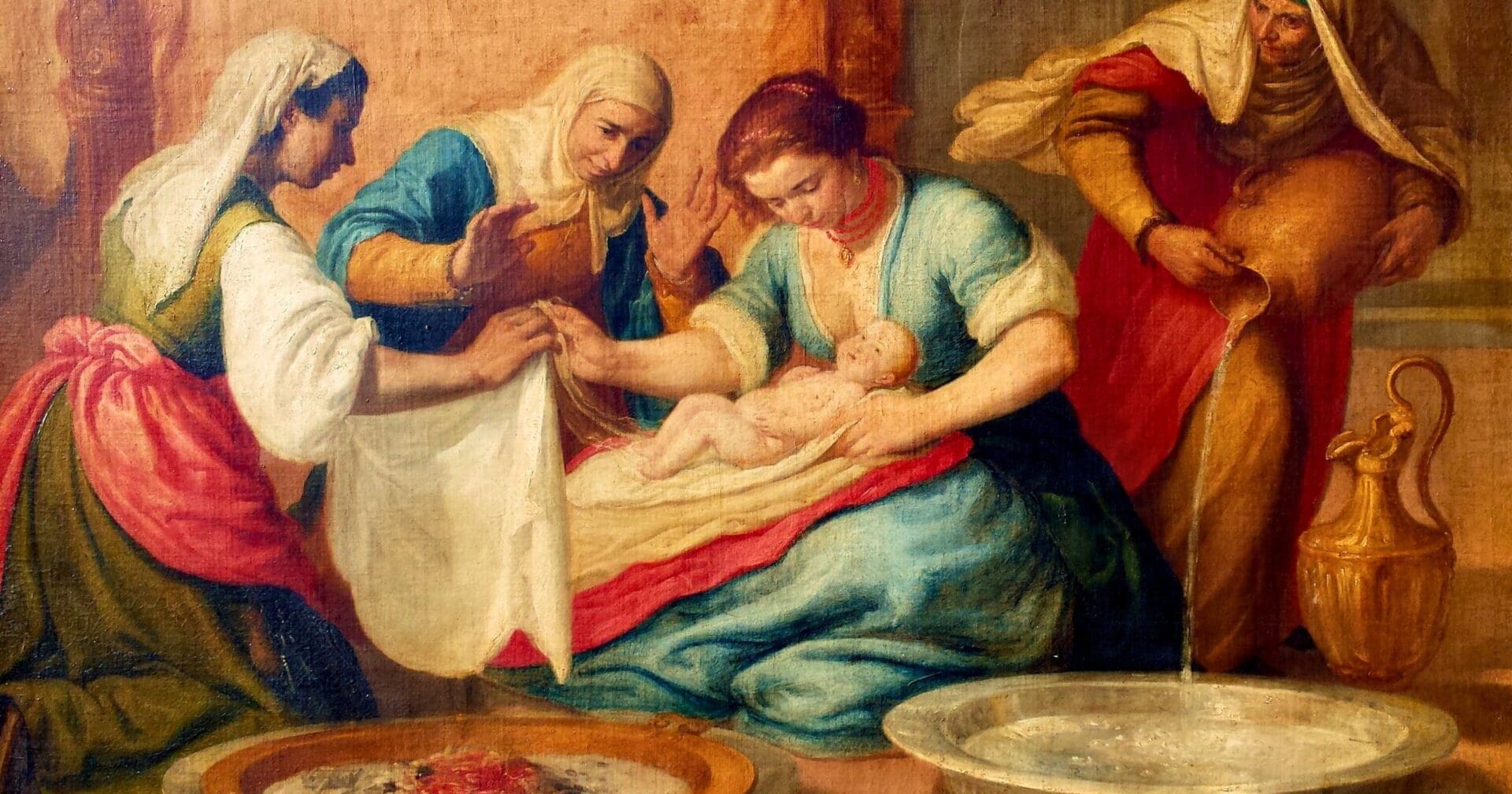
The Nativity of the Blessed Virgin
8 September 2026 · uCatholic
The Church has kept Mary’s birthday since at least the eighth century. On the calendar only two saints have a birthday feast: John the Baptist on 24 June, and Mary.
She was conceived without original sin for the work God gave her, to be the mother of Jesus. Pius IX defined that as dogma in 1854. Scripture does not name her parents. The second-century Gospel of James says they were Joachim and Anna, past the usual years of childbearing, who prayed and fasted for a child.
Some say she was born in the house at Nazareth where the Annunciation later took place. Another tradition points to a site under the church of Saint Anna in Jerusalem. The feast honours Mary and looks forward to the birth of her Son.